Heartfelt Art Sharing
My Journey with Neurographica®
My journey with Neurographica® began through my own curiosity and love of creative exploration. I discovered a process that allowed me to draw, pause, reflect, and notice what was emerging in a completely different way.
Today, I guide individuals and groups through Neurographica® algorithms in a relaxed and supportive setting. The focus is not on artistic skill or creating a “perfect” drawing. It is on experiencing the process, reflecting upon what emerges, and allowing your own creativity and insights to unfold. Each drawing becomes uniquely yours.
Explore Through Drawing
A session may begin with a thought, feeling, transition, intention, or something you are simply curious about.
Using Neurographica® algorithms, we draw together while leaving room for your own choices, colors, observations, and reflections. There is no right or wrong way for your drawing to look.
The experience offers space to:
Slow down and become present
Explore thoughts and feelings creatively
Express what may be difficult to put into words
Reflect upon what you notice along the way
Experiment with color, line, and form
Listen for your own insights and inspiration
Enjoy the simple pleasure of creating
You don't need to know how to draw.
What is Neurographica®?
Neurographica® is a creative drawing method developed by psychologist and architect, artist and business coach and Head of the Institute of Psychology of Creativity Dr. Pavel Piskarev. The practice uses a structured visual language of lines, shapes, connections, and color. As the drawing develops, there are opportunities to pause, observe, and reflect upon both the creative process and what the experience brings to your awareness.
For me, one of the most meaningful aspects of Neurographica® is that reflection is woven into the process. We are not simply making a picture—we are exploring, expressing, noticing, and allowing space for something new to emerge.
Every Drawing Tells Its Own Story
No two Neurographic® drawings are alike.
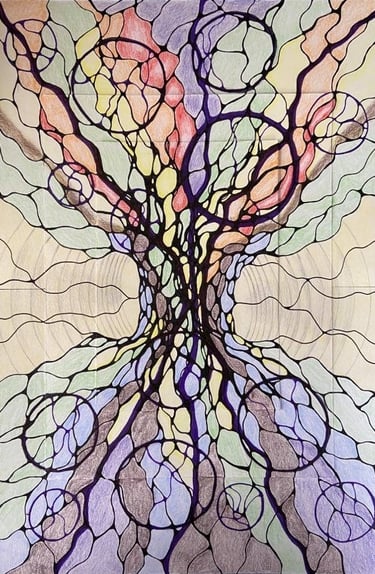
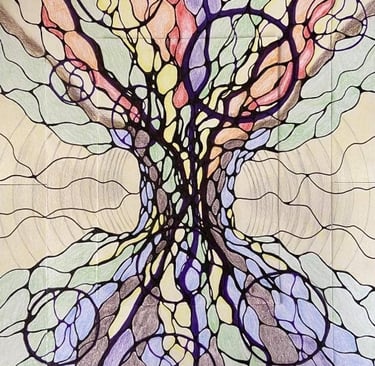
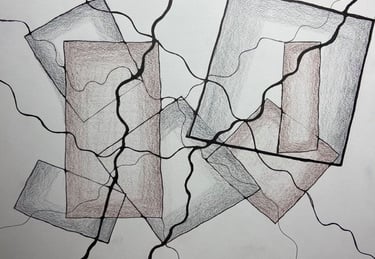
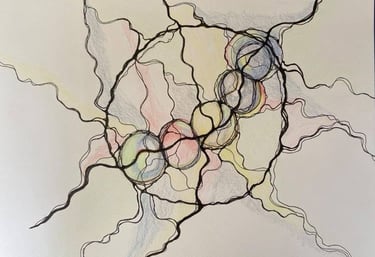
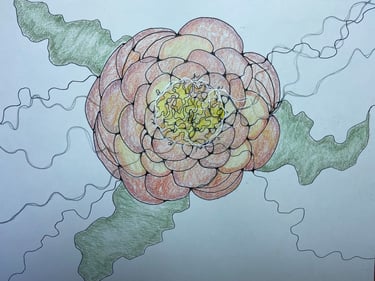
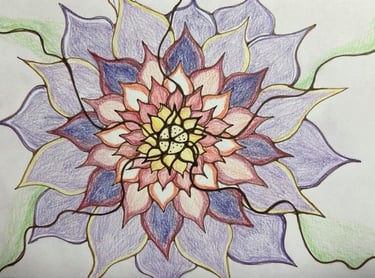
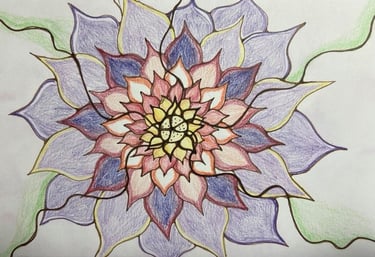
Below are examples from my own creative journey. Each began with its own intention and unfolded one line, connection, color, and reflection at a time. Explore the drawings and notice what catches your eye.

Therapeutic Neurographica® Drawing
A creative way to explore, express, and reflect.
Neurographic drawing offers a gentle and engaging way to slow down, reduce stress, and explore what may be difficult to put into words.
Through lines, shapes, color, and reflection, you are invited to become curious about what appears on the page and what you may discover along the way.
No drawing experience is needed.
Therapeutic Drawing
Leading you thoughtfully in exploring your unique creative artistic expression.
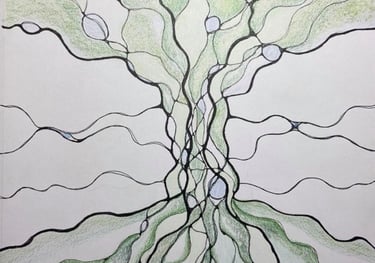
NeuroTree
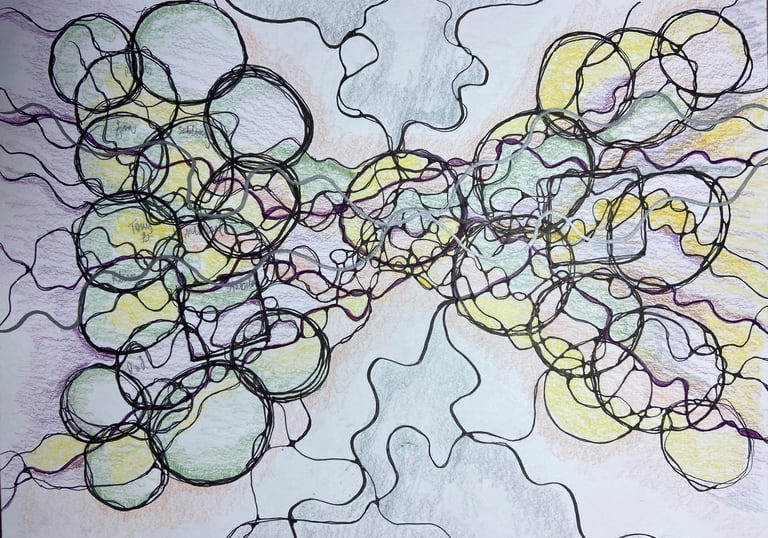
Ah, a favorite. Each circle means something special a person, place, meaning or adventure.
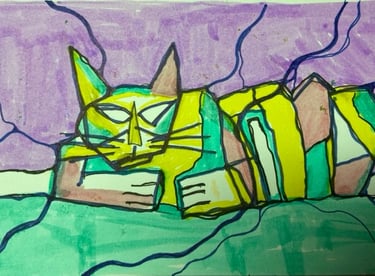
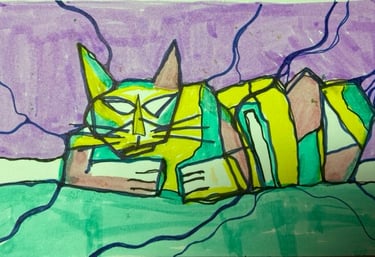
Cat
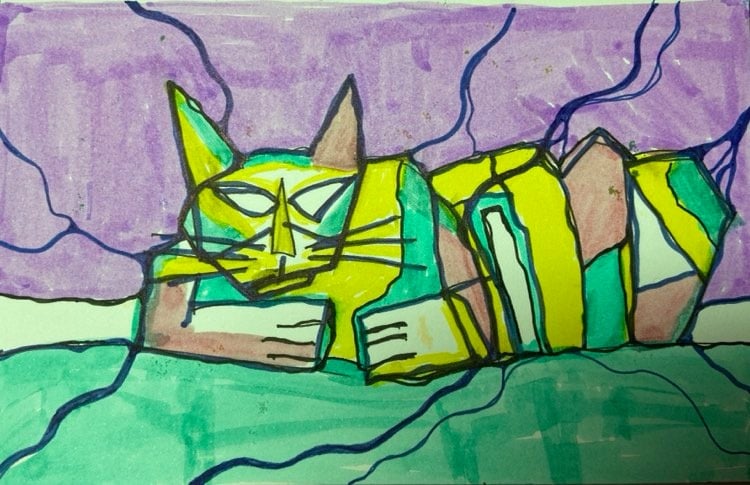
Fast sketching is a great way to let go of intentionally drawing what you see. This is a fun process to explore. I often laughed outloud.
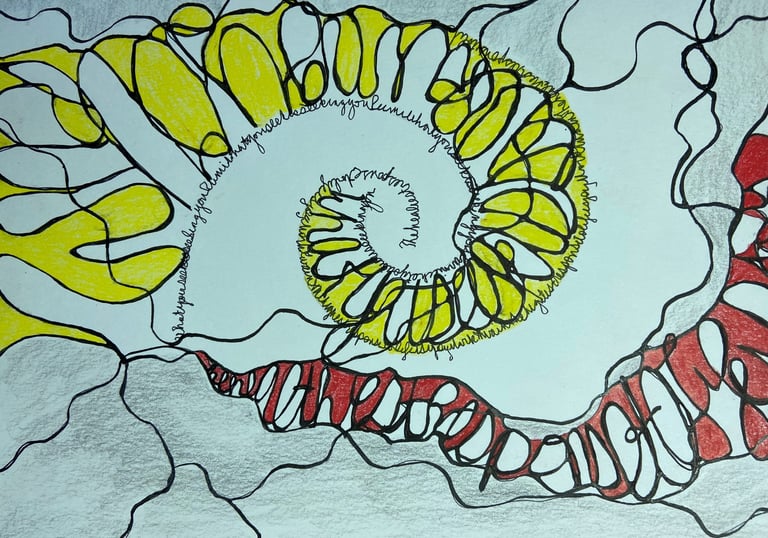
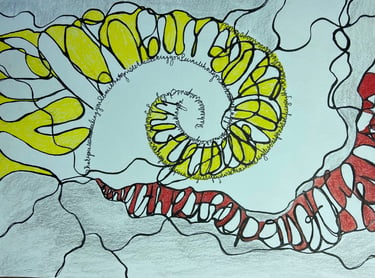
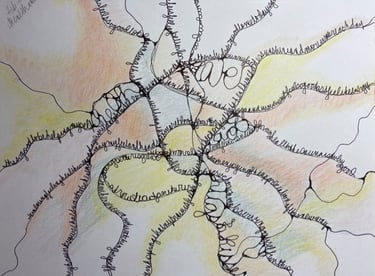
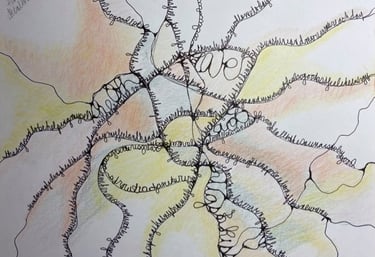
NeuroCalligraphy is fun, loose and enjoyable. You can use your own poem or one from your favorite poet.
NeuroCalligraphy
The 5 Elements
"When you do things from your soul, you feel a river moving in you, a joy."
- Rumi
Earth
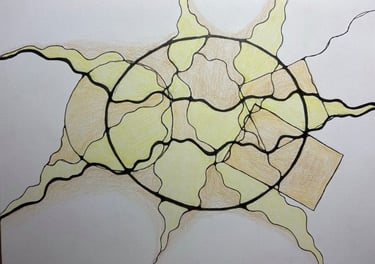
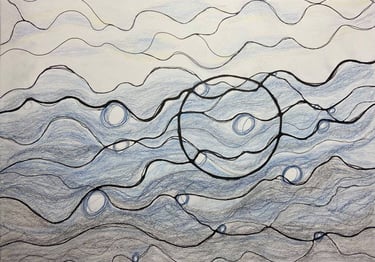
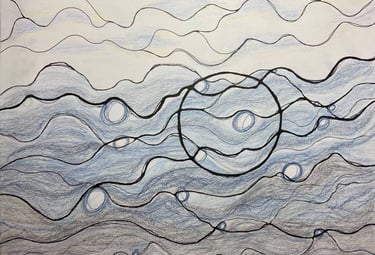
Water
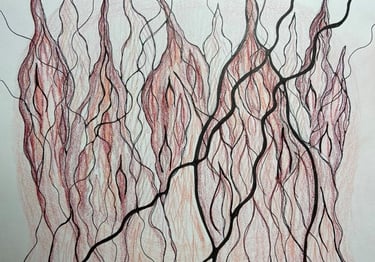
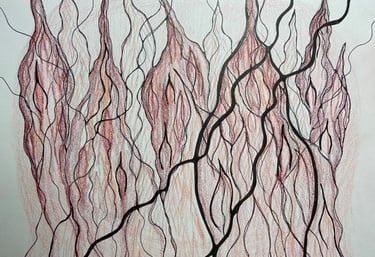
Fire
Metal
Wood
Creative Artistic Expression
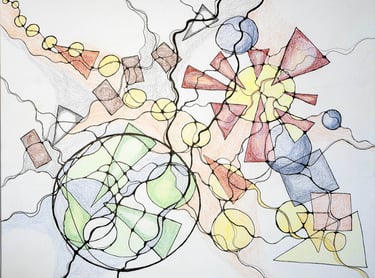
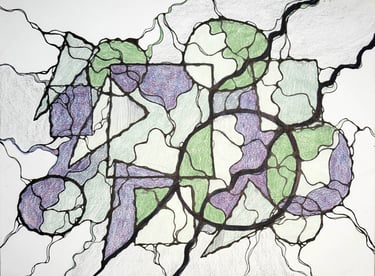
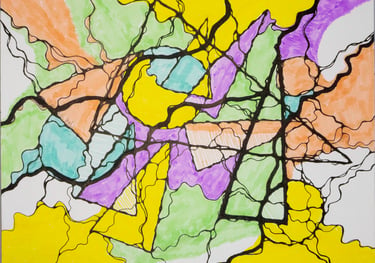
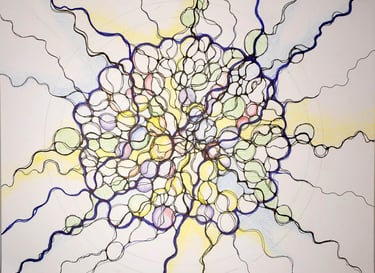
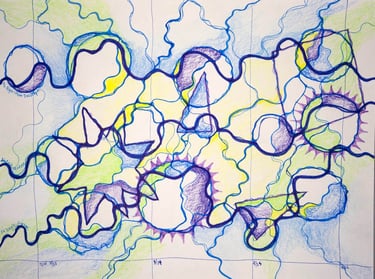
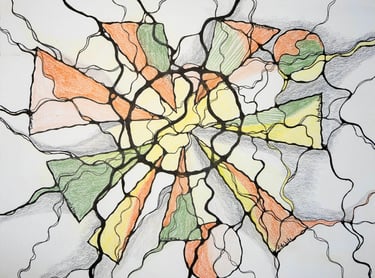
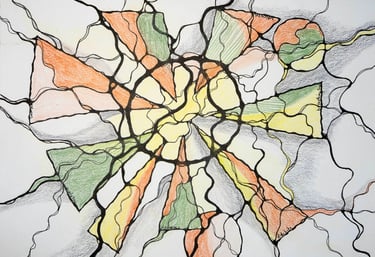
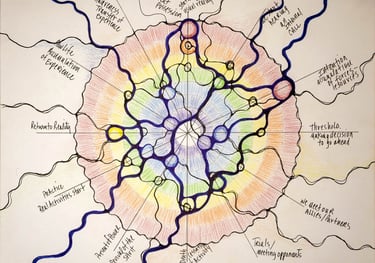
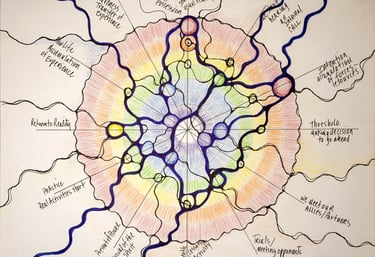
Guided Creative Artistic Expression
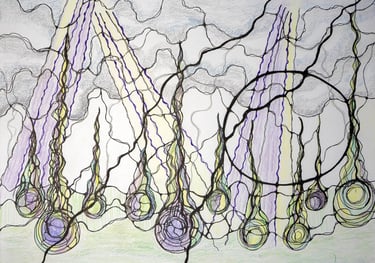
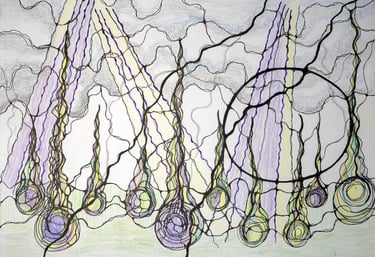
Life is a River
During a Jungian Art Individuation course, I was asked to choose a symbol—a thread that had woven its way through my life.
I chose the river.
As I explored it, I discovered I could dive more deeply into this symbol than I had ever imagined. The river carried me through a full spectrum of memories, emotions, and experiences—from childhood into my adult life. I don't think another symbol has ever given me such a meaningful way to reflect upon my life.
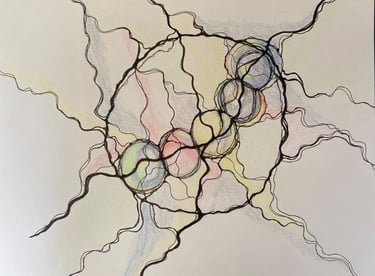
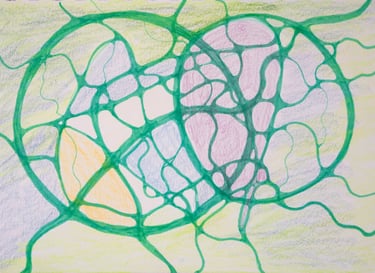
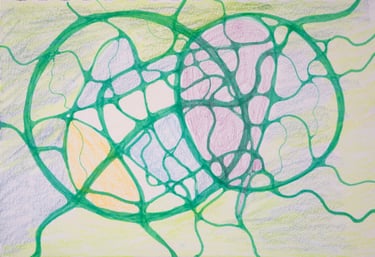
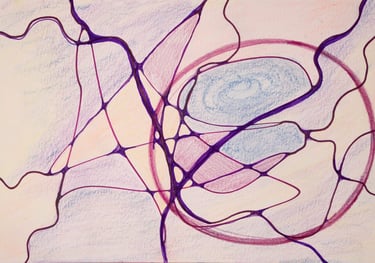
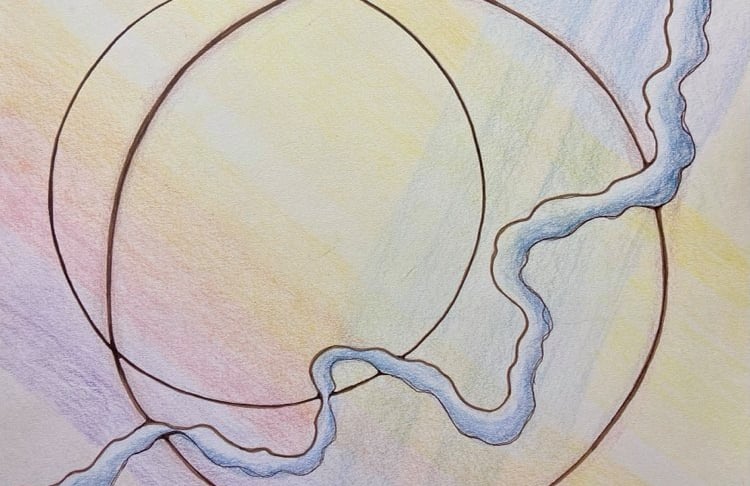
Later in the course, I sat down to create this drawing using a Neurographica® line as the river. I spent some time quietly pondering, not knowing what might surface. Then suddenly, the beginning felt exciting and clear.
I started with color, building layers of colored pencil to create a veil painting-like effect. I added the river and two circles—a smaller circle becoming a larger one, with the river flowing through them.
Looking back at the completed drawing, I see how much personal meaning it holds for me. The process brought insights about my life that I had not anticipated.
The layers of color came to represent something especially meaningful: how immersing myself in creative expression can allow a veil to lift, opening a doorway through which the unconscious can speak.
And the river continued to carry its message.
Through the course, my meditation, my dreams, and my art, I began to hear that message more clearly: to continue creating a richer, more spiritually harmonious life—to immerse myself in artistic expression and to make time to be bathed in the beauty of sunrises and sunsets.
The river reminds me that life continues to move and unfold—and that sometimes, when we become still enough to reflect, we can hear where it is inviting us to flow.
"The Art of Individuation"
Jungian studies with Cyril Coetzee